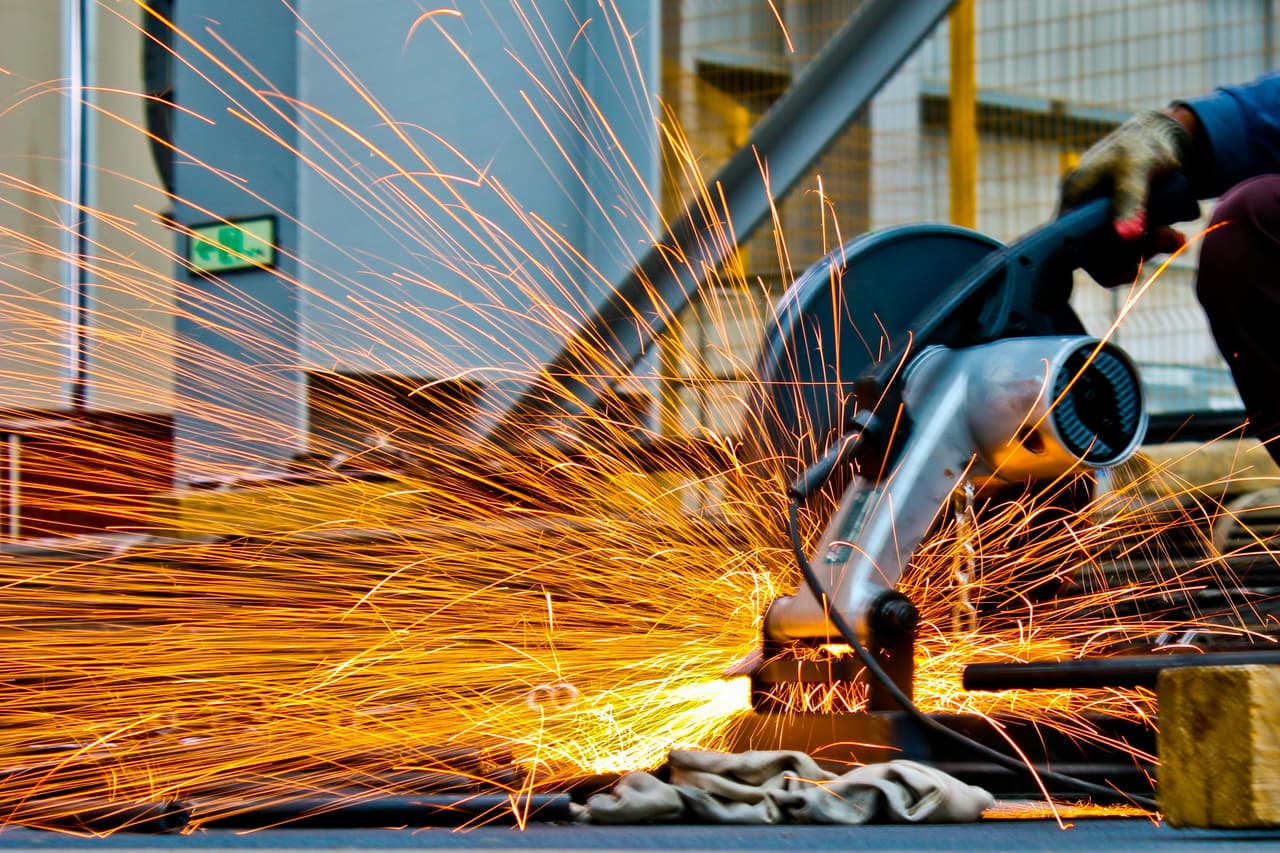
Australian manufacturing contributes significantly to the national economy, with the sector employing hundreds of thousands of workers and producing everything from food and beverages to advanced machinery and building materials. According to the Australian Bureau of Statistics, manufacturing remains one of the largest industry sectors by output, despite the structural shifts of recent decades.
For manufacturers — whether operating a small workshop or a mid-sized production facility — the financial dynamics of the business create specific funding challenges. Raw materials must be purchased before production begins, equipment must be maintained and upgraded, and finished goods often sit in inventory before generating revenue. Understanding how to finance these needs effectively is critical for sustainable operations and growth.
The Cash Flow Cycle in Manufacturing
Manufacturing has one of the longest cash conversion cycles of any industry. The journey from purchasing raw materials to receiving payment for finished goods can take weeks or months, and every stage of that journey requires capital.
Raw Material Procurement
Raw materials are typically the second-largest cost for manufacturers after labour. Depending on the type of manufacturing, materials might include steel, aluminium, timber, plastics, chemicals, textiles, or food ingredients. These inputs must be purchased before production can begin, and suppliers often require payment within 7 to 30 days.
For manufacturers who source materials internationally, the cash flow challenge is compounded by longer lead times, currency fluctuation risk, and the need to pay for shipping and customs clearance before the materials arrive.
Purchasing materials in larger quantities often secures better pricing, but requires more capital upfront. A manufacturer who can buy a six-month supply of a key input at a 15% discount faces a genuine dilemma: the savings are real, but so is the cash flow impact. A business loan can fund bulk purchases, with the cost savings often exceeding the cost of the finance.
Work-in-Progress and Production Costs
Once raw materials enter the production process, they become work-in-progress inventory — and they stay in that state until production is complete. During this period, the manufacturer is incurring additional costs (labour, energy, consumables, equipment wear) without generating any revenue from the product.
For manufacturers with complex or lengthy production processes, the value tied up in work-in-progress at any given time can be substantial. A furniture manufacturer might have dozens of pieces in various stages of production, each representing thousands of dollars in materials and labour that have been invested but not yet converted to revenue.
Finished Goods Inventory and Payment Terms
Once production is complete, finished goods may sit in inventory until sold. Even after sale, many manufacturers operate on trade credit terms, giving their customers 30 to 60 days to pay. This means the manufacturer may not receive cash for a product until 60 to 120 days after purchasing the raw materials to make it.
This extended cash conversion cycle is the fundamental financial challenge of manufacturing, and it is why working capital management is so critical for the sector.
Equipment: The Engine of Manufacturing
Production equipment is the single most important asset class for most manufacturers. The quality, reliability, and capability of your equipment directly determines what you can produce, how efficiently you can produce it, and what quality standards you can achieve.
When to Upgrade Equipment
Equipment upgrade decisions should be driven by a combination of factors:
- Reliability: When repair frequency and costs are escalating, the total cost of operating older equipment may exceed the cost of financing a replacement
- Capacity: If existing equipment is running at or near capacity and you are turning away work or extending lead times, upgrading to higher-capacity equipment is a growth investment
- Quality: If competitors are offering superior quality because of better equipment, your market position is at risk
- Efficiency: Newer equipment often consumes less energy, produces less waste, and requires fewer operators — all of which improve margins
- Compliance: Changes to safety standards, environmental regulations, or industry certifications may require equipment upgrades
Financing Equipment Purchases
Equipment purchases represent significant capital outlays. A CNC machine can cost $100,000 to $500,000 or more. Industrial ovens, injection moulding machines, packaging lines, and robotic systems all carry substantial price tags.
Rather than depleting working capital with outright purchases, many manufacturers use equipment financing to spread the cost over the useful life of the asset. This preserves cash for day-to-day operations — raw materials, wages, and overheads — while still enabling the business to access the equipment it needs to compete and grow.
Scaling Production to Meet Demand
One of the most common situations where manufacturers need external financing is when demand grows faster than the business can fund from internal resources. Winning a major new contract, securing a retail distribution agreement, or entering an export market can all require significant upfront investment before the additional revenue materialises.
Scaling challenges typically include:
- Additional raw materials: Larger production runs require larger material purchases
- Extended shifts or additional staff: Meeting higher output targets means more labour costs
- Increased energy consumption: Production facilities running longer hours consume more power
- Additional storage and logistics: More finished goods require more warehousing and distribution capacity
- Quality assurance: Higher volumes require more rigorous quality control processes
A business loan can bridge the gap between receiving a new order and generating the revenue from fulfilling it. The key is to ensure that the additional revenue will comfortably cover both the production costs and the loan repayments.
Managing Supply Chain and Inventory Costs
Australian manufacturers increasingly operate in complex supply chains, sourcing materials domestically and internationally and selling to customers across multiple channels. Managing the financial aspects of these supply chains is a critical skill.
Supplier Payment Terms
Negotiating favourable payment terms with suppliers is one of the most effective ways to manage manufacturing cash flow. Key strategies include:
- Requesting extended payment terms: Moving from 7-day to 30-day terms with a key supplier can significantly improve your cash position
- Negotiating early payment discounts: Some suppliers offer discounts for early payment — calculate whether the discount exceeds your cost of capital before committing
- Diversifying suppliers: Relying on a single supplier for a critical input creates both supply chain risk and reduces your negotiating leverage
- Building supplier relationships: Long-term, reliable customers often receive more favourable terms and priority during supply constraints
Inventory Management
Holding too much inventory ties up capital unnecessarily. Holding too little risks production delays and missed customer deadlines. Finding the right balance requires:
- Accurate demand forecasting: Use historical data and customer communication to predict demand as accurately as possible
- Regular inventory reviews: Identify slow-moving stock and consider whether it should be discounted, repurposed, or written off
- Just-in-time principles: Where supply chain reliability allows, reducing inventory levels frees up working capital
Preparing for Export
For manufacturers looking to expand into export markets, the financial demands increase significantly. Export preparation may involve product modifications, packaging changes, regulatory certifications, marketing materials, and logistics arrangements — all of which require investment before any export revenue is received.
Government programs such as the Export Market Development Grants (EMDG) scheme can offset some of these costs, but they operate on a reimbursement basis, meaning the manufacturer must fund the expenditure first. A business loan can provide the capital to invest in export readiness while awaiting reimbursement.
Funding Your Manufacturing Growth
Whether you need working capital to bridge the gap between material purchases and customer payments, financing for a major equipment upgrade, or capital to scale production for a new contract, access to timely funding is essential.
Velociti Capital offers business loans from $10,000 to $350,000 with approval decisions in as little as 2 to 4 hours. Our streamlined application process means you spend less time on paperwork and more time on production. Many of our loans are unsecured, so you do not need to put up property or equipment as collateral.
Apply now to explore funding options for your manufacturing business, or learn more about our fast business loans.
This article is part of our industry insights series. For more information about business loans for manufacturing, visit our manufacturing industry page.
Ready to Fund Your Business Growth?
Get approved in 24 hours with loans from $10K to $350K. No property security required.