
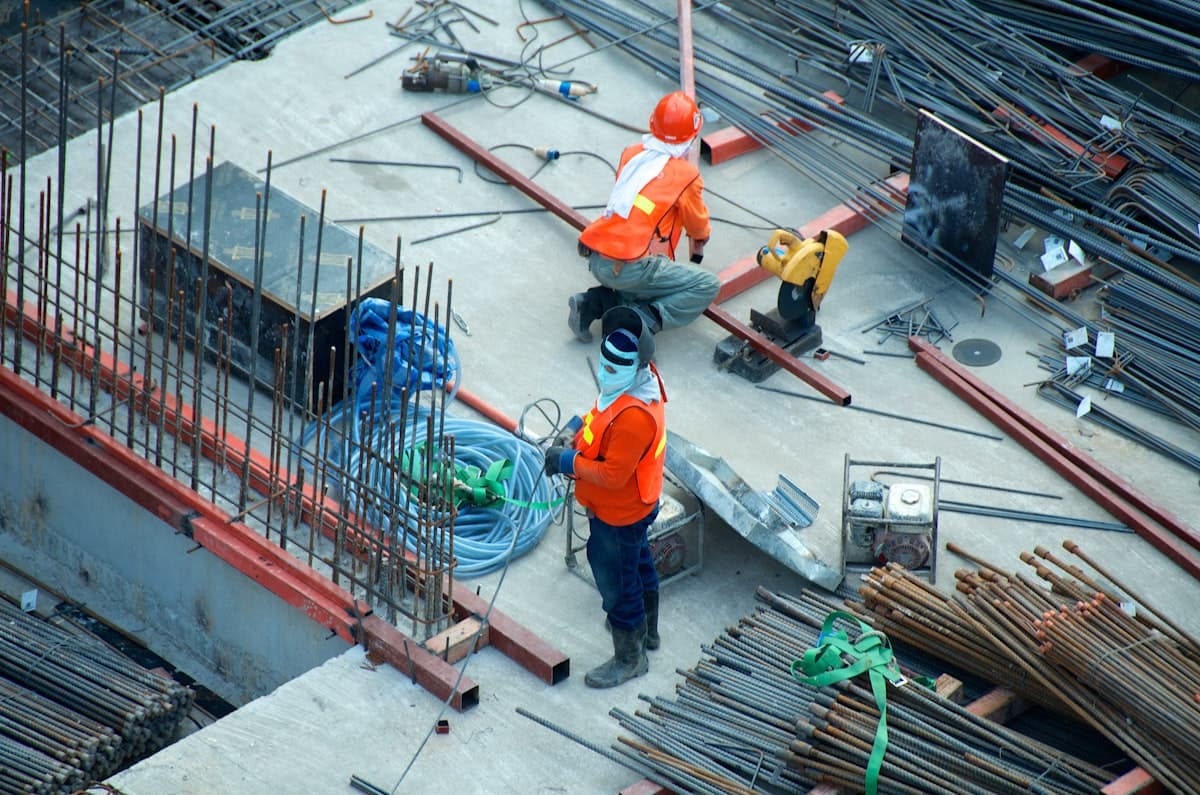
The Scenario
Consider a mid-sized building company operating across the Gold Coast and northern New South Wales. The business has been running for several years, primarily focused on residential builds and small commercial fit-outs. With a steady pipeline of work and a growing reputation for quality, the director sees an opportunity to move into larger commercial construction projects.
However, stepping up from residential to commercial work meant meeting different site requirements - including access to specialised equipment that the business didn’t yet own.
The Challenge
The company had been quoting on a series of commercial projects that required specific heavy machinery. Previously, they had been hiring equipment on a per-project basis, but the hire costs were eating into margins and making their quotes less competitive against larger firms that owned their own fleet.
The director identified that purchasing two key pieces of equipment - a compact excavator and a telehandler - would allow the business to reduce hire costs significantly and submit more competitive tenders. The problem was timing. Several large tenders were closing within weeks, and the business needed to demonstrate equipment capability as part of the bid process.
Traditional bank financing was explored, but the timeline didn’t align. The application process required extensive documentation and property valuations, with approval timelines stretching out to several weeks. The business needed a faster path to funding.
The Approach
The director began exploring alternative lending options that could work within the compressed timeline. The key requirements were straightforward: the business needed $85,000 for equipment purchases, the funding needed to settle quickly, and the repayment structure needed to be manageable alongside existing project cash flows.
The business had solid financials to support the application - consistent revenue, an established trading history, and a healthy pipeline of contracted work. What they lacked was the time to go through a lengthy traditional approval process.
After researching options, the business applied through a specialist business lender that could assess applications based on real-time business performance rather than requiring property security or extended documentation processes.
The Funding Process
The application process was completed online, with the lender reviewing recent business activity, bank statements, and trading history. Rather than requiring weeks of back-and-forth documentation, the assessment focused on current cash flow and the business’s ability to service the repayment.
The $85,000 was approved and settled within days, allowing the business to move forward with the equipment purchases ahead of the tender deadlines.
What the Funding Enabled
With the new equipment secured, the business was able to include owned-equipment capability in their upcoming tender submissions. This had several practical impacts on the business:
- More competitive pricing: Removing ongoing hire costs from project budgets meant the business could sharpen their quotes without sacrificing margin.
- Greater project control: Owning the equipment meant better scheduling flexibility, rather than being dependent on hire availability during peak construction periods.
- Credibility with larger clients: Demonstrating owned equipment capability strengthened the business’s position when tendering for commercial work with property developers and project managers.
- Reduced ongoing costs: The monthly loan repayment was predictable and generally lower than what the business had been spending on equipment hire across multiple projects each month.
Key Takeaways
This scenario illustrates a common challenge for growing construction businesses in Australia. The gap between a company’s capability and opportunity often comes down to equipment access, and the traditional financing timeline doesn’t always match the speed at which commercial opportunities move.
For businesses in similar positions, there are a few considerations worth noting:
- Equipment ownership vs. hire: There’s often a break-even point where purchasing becomes more cost-effective than ongoing hire. Understanding that threshold helps build the business case for financing.
- Timing matters: In industries where tender windows are tight, the speed of funding can be just as important as the amount.
- Cash flow alignment: Choosing a repayment structure that aligns with project payment cycles helps ensure the financing supports - rather than strains - the business.
- Application readiness: Keeping business financials up to date and accessible makes any funding application smoother, regardless of the lender type.
Whether a construction business is looking to purchase equipment, hire additional staff, or bridge cash flow between project milestones, understanding the range of funding options available - and how quickly they can be accessed - is an important part of growth planning.
Disclaimer: This case study is a representative scenario inspired by common business situations. Names and specific details are illustrative and do not represent any actual client. Individual loan outcomes depend on business circumstances, creditworthiness, and lender assessment. This is not financial advice.